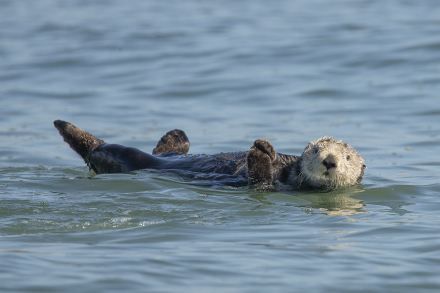




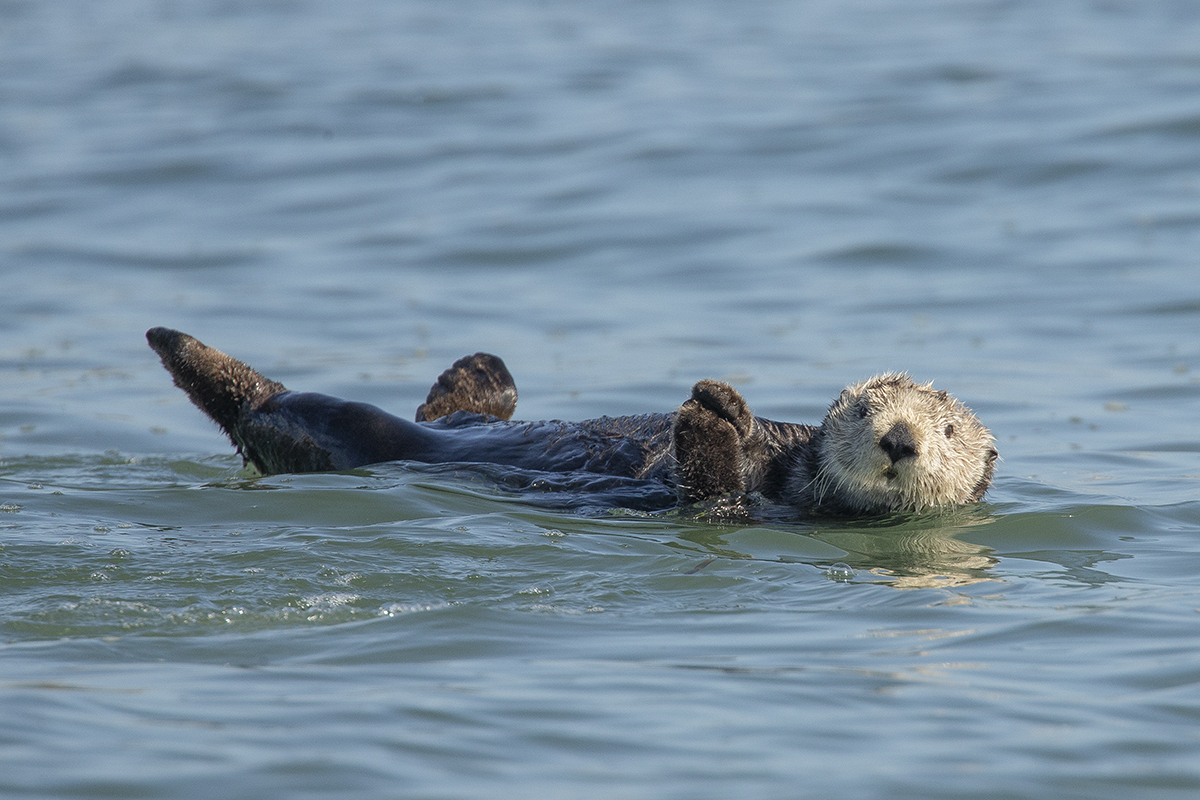

Even if you’ve never encountered a sea otter before, chances are you know something about them. Maybe it’s that they use rocks to crack open clams and crabs on their bellies for food. Or perhaps it’s that their thick fur (up to 1 million hair follicles per square inch!) keeps them warm in cold ocean waters.
What you may not know is that sea otters are endangered and face a growing list of threats to their safety. Disease and changing environments are increasingly significant factors, and unsustainable fishing practices are depleting prey for otters and leaving behind nets that can entangle them. Even well-meaning people, who perceive otters as cute and friendly, can cause harm when they get too close in native coastal habitats.
Spreading awareness about these aquatic mammals is therefore essential to protecting them, and it serves as a vital starting place for some of our most collaborative conservation efforts.
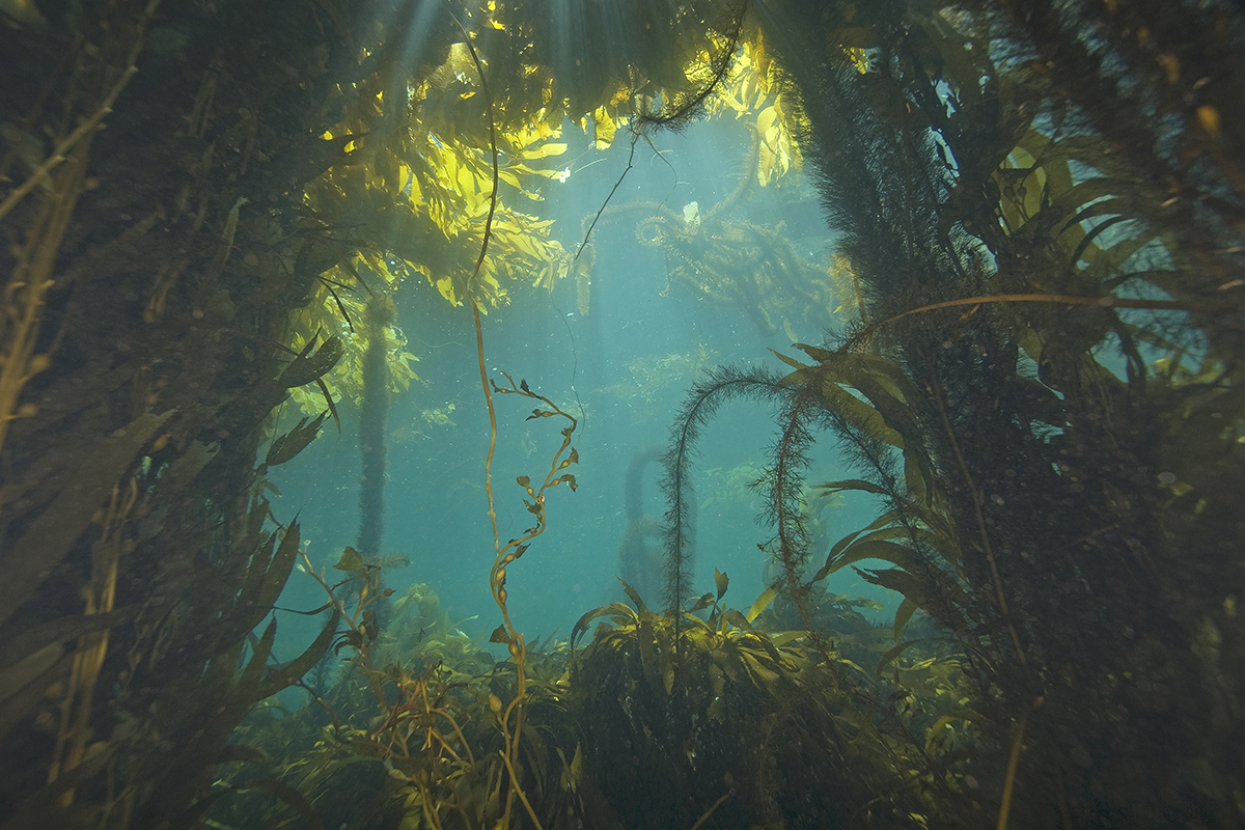
Kelp forests sustain a huge variety of life, and sea otter feeding habits are an indispensable part of that balance.
Ecosystem Engineers
Oceans truly wouldn’t be the same without sea otters. They’re a keystone species, meaning they’re a critical part of how their ecosystem functions. This, by extension, affects all other species in their environment, creating a delicate web of wildlife that rely on each other to live in harmony.
For example, sea otters along the Pacific coast feed on sea urchins, which, in turn, feed on kelp. By maintaining urchin populations, kelp is protected from overgrazing. And because kelp forests sequester millions of tons of carbon annually, sea otters are playing an important part in keeping the larger planet in balance.
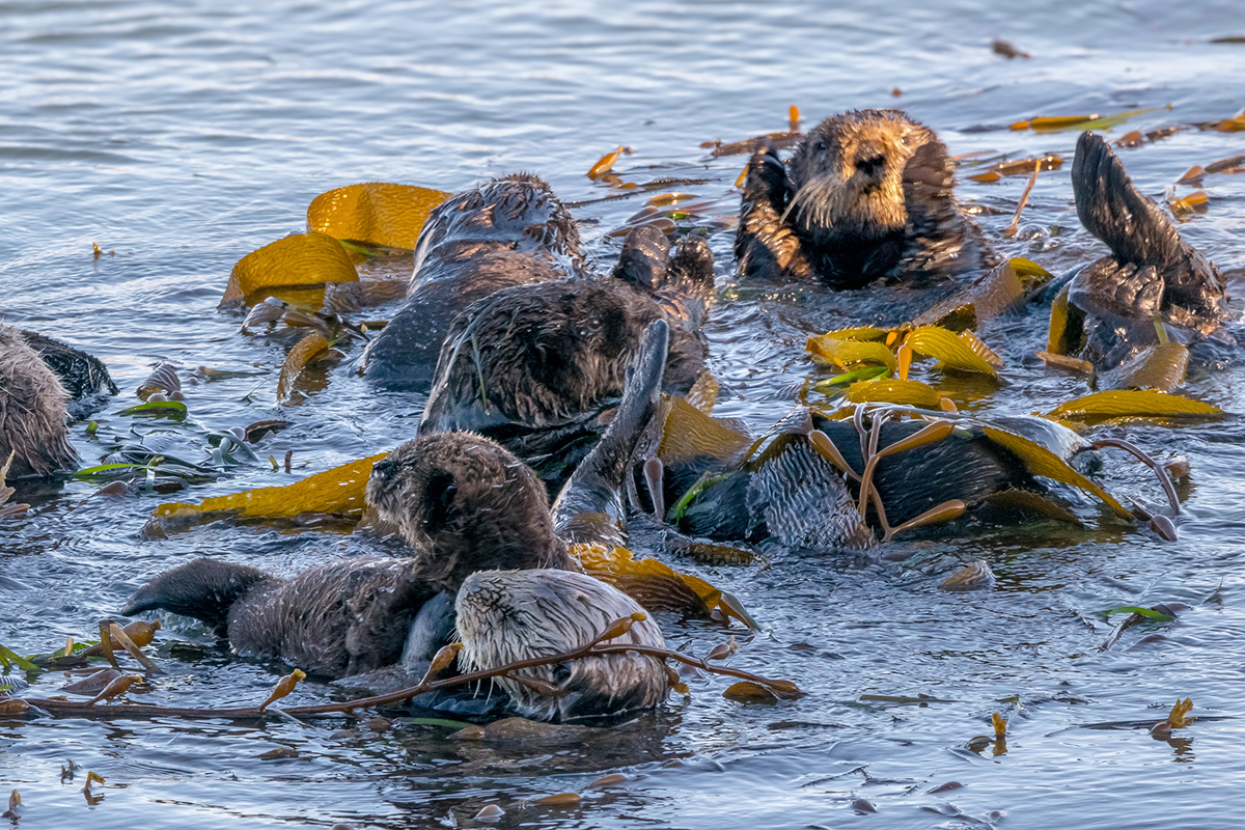
Sea otters wrap themselves in kelp so they don’t drift away on undulating ocean currents.
Making Waves
Given otters’ irreplaceable impact on aquatic habitats and global climate health alike, recovery efforts for this endangered species are crucial. That, however, requires understanding and cooperation with other organizations and local communities.
Sea Otter Awareness Week was created to amplify these efforts. This collaborative outreach initiative unites experts from across the Pacific coast of the U.S. to increase knowledge about the species and foster support for its conservation. The yearly event is organized by several key partners—including Monterey Bay Aquarium, Sea Otter Savvy, and Defenders of Wildlife—and 2026 marked the fourth consecutive year we’ve taken part.
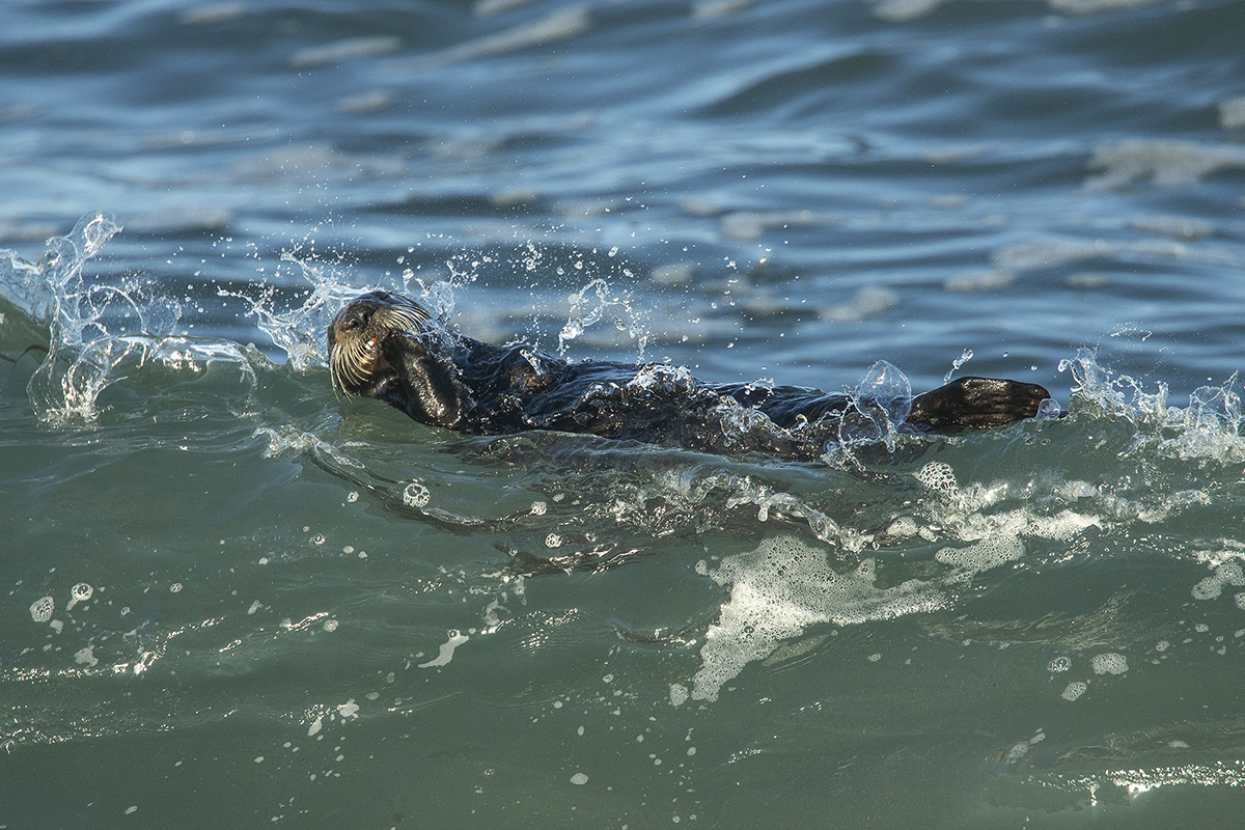
Sea otters are a visible and exciting part of coastal waters, but keeping a safe distance protects both them and us.
We contribute to the suite of offerings in several key ways, engaging people both locally and globally. We collaborate on social media posts celebrating sea otters and our collective work to protect them, which is especially important for boosting awareness in our region, as many partners are in Northern California and Oregon.
At the same time, San Diego Zoo Wildlife Alliance experts present webinars ranging in topics from human-wildlife coexistence, genomics, and the history of sea otter recovery. These webinars reach virtual attendees from countries around the world, including Canada, the United Kingdom, Poland, Brazil, Malaysia, and Saudi Arabia. Though many viewers live in nations without native otter populations, allies everywhere can take part in the movement to protect them.
This outreach for a species that lives off the Central California coast merges the work we do through both our Oceans and Southwest Conservation Hubs, uplifting both regions. It also dovetails with our ongoing support of efforts to recover sea otter populations as a whole, including relationship building with agencies, scientists, Indigenous Tribes, and fishing professionals.
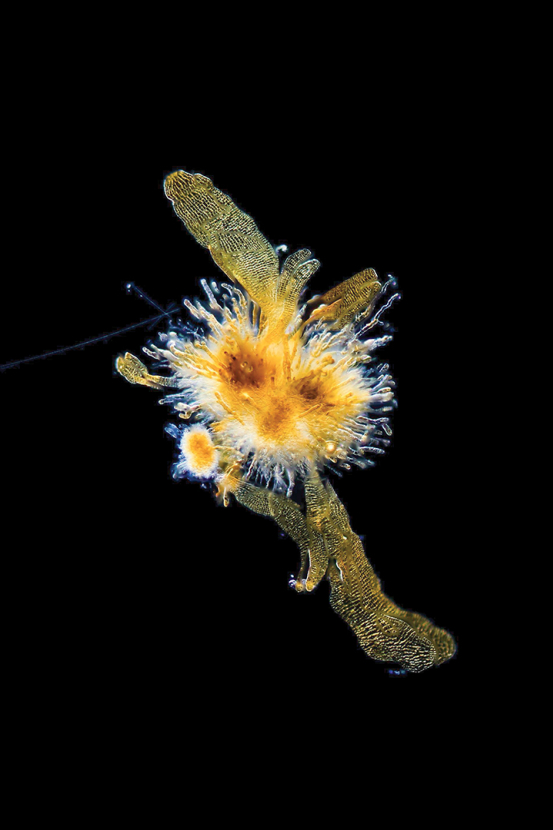
A magnified image of a kelp gametophyte, which can help us unlock genetic understanding of this vital marine species.
Kelp Help
Sea otters can’t thrive without a safe habitat in which to live. Because the fates of otters and kelp are intertwined, protecting aquatic forests is also a top priority, one that has seen some exciting recent milestones.
We’ve teamed with experts at Scripps Institute of Oceanography (SIO) on a groundbreaking new project. Combining our expertise in biodiversity banking at our Frozen Zoo® with SIO’s research and data, we’re developing protocols to freeze kelp reproductive cells. This innovative approach allows us to secure the current genetic diversity of kelp and reintroduce it later when needed. Early studies have shown promising results, and we’re committed to refining these protocols until thawed kelp cells can successfully reproduce and live in local waters.
An award from Revive & Restore’s inaugural Climate Resilience Fund further boosted our work with SIO. The grant invests in projects that apply cutting-edge technology to marine conservation and nature-based climate solutions. We’re developing a kelp cryopreservation toolkit that will help us better understand their genotypes and identify giant kelp with higher thermal tolerance. With this information, we hope to increase this tolerance across kelp forests in U.S. coastal waters, benefiting the otters and other species that live there.
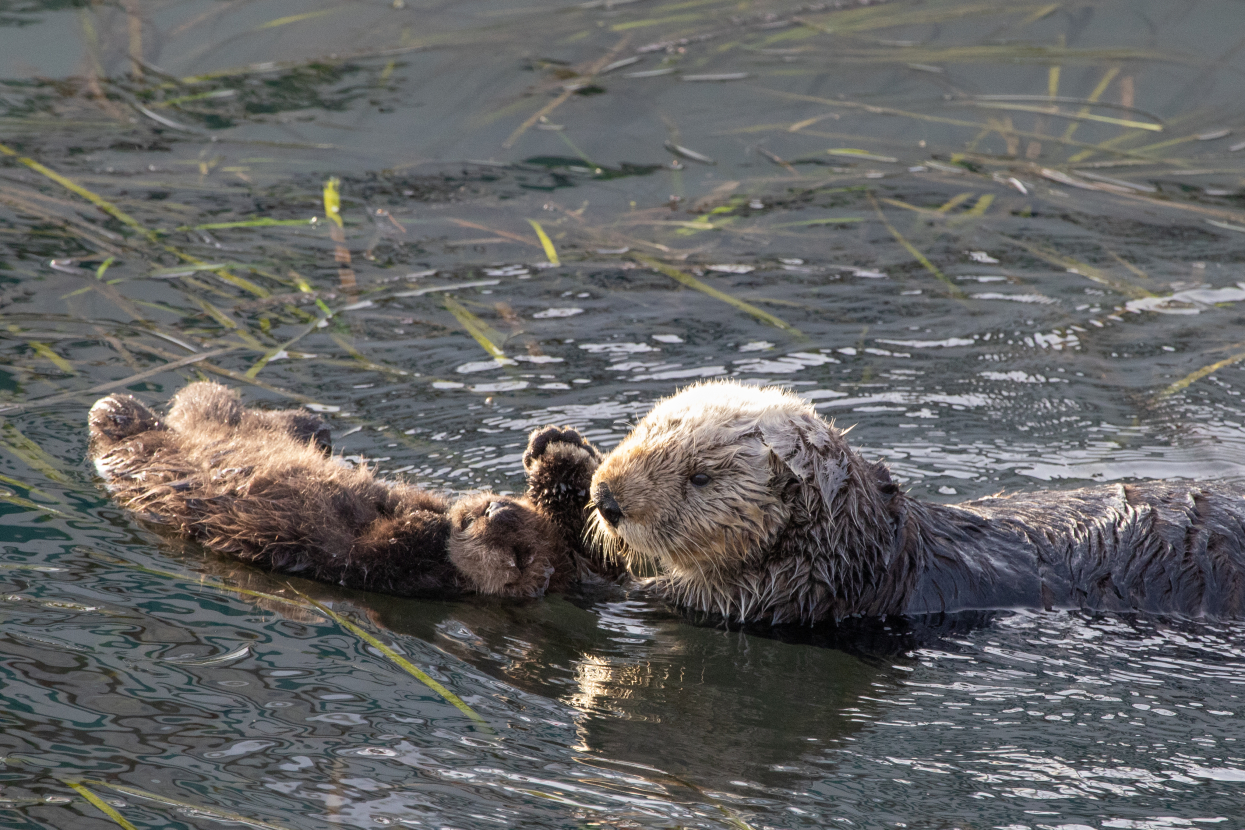
Through collaboration and innovation, we can protect sea otters for many generations to come.
Swimming Forward Together
When we know more, we can do more, and together we’re achieving incredible things thanks to the expansive efforts of Sea Otter Awareness Week. Through the teamwork of partners and everyday conservation allies, we can share what we know and inspire others to join us across the Pacific coast. Though threats persist, we’ll continue spreading the word about this incredible species and the novel conservation solutions that are keeping us ahead of the changing tides.
We know one thing for sure: wildlife allies like you make marine conservation possible. Learn more about how your support enables transformative work through our Oceans Conservation Hub.
Photo credits: Kelp forest: KGrif, iStock, Getty Images Plus. Otters in kelp: queenzon, iStock, Getty Images Plus. Kelp gametophyte: Pichaya Lertvilai and Mohammad Sedarat. Otter and pup: Emily Pomeroy, used with permission for SOAW.